


 |
|
GIFT CERTIFICATES AVAILABLE! Please call 505-243-2622 or Email info@janebutelcooking.com to Order! |
Gourmet Gift Boxes | Chile, Herbs & Spices | Corn & Masa Products | Barbecue, Beans & Nuts | Books & Video | Kitchen and Wine Essentials
How to Prepare Dried Chile Pods
To prepare whole chile pods, you must first wash the pods, then coarsely break them and place on a cookie sheet. Place in a warm oven at 300° F and heat for 5 to 15 minutes or until the chiles produce an aroma and slightly deepen in color. Stew in water for 30 minutes or until the flesh slips from the skin, then strain or blend to create a pulp to make into a sauce.

Online Cooking Courses - Always Available - Take On Your Schedule
GIFT CERTIFICATES AVAILABLE! Please call 505-243-2622 or Email jane.butels@gmail.com to Order! |
We are scheduling lots of private classes for groups of varying sizes of up to 12 participants.
For more information, just call us at 505-243-2622 or contact us at jane.butels@gmail.com.
Gift certificates are available -- to order, contact us at
505-243-2622 or jane.butels@gmail.com.
Order my cookbooks from any of the 3 sources and really help our rating! 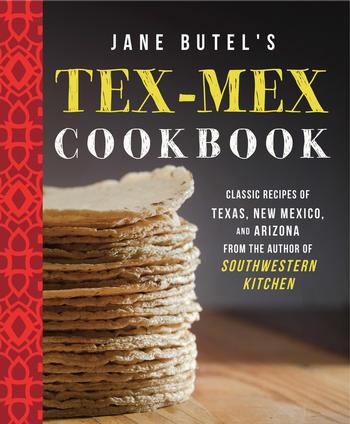
Or, order from us if you would like an autographed copy for you or for any persons on your gift list.
And we will drop ship each book if you like.
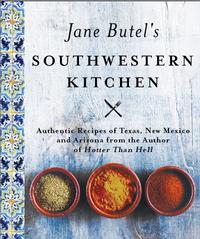
Revised, 2nd edition of "Jane Butel's Southwestern Kitchen" was published October 4, 2016.
♦ ♦ ♦ ♦ ♦ ♦ ♦ ♦ ♦ ♦ ♦ ♦ ♦ ♦ ♦ ♦
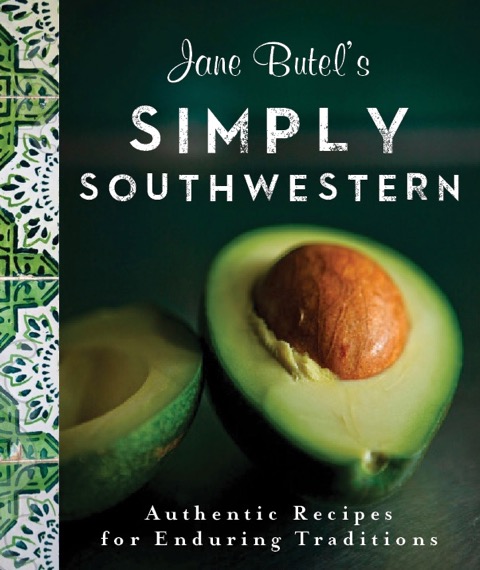
Jane Butel's newest cookbook, "Simply Southwestern" was published November 22, 2016.
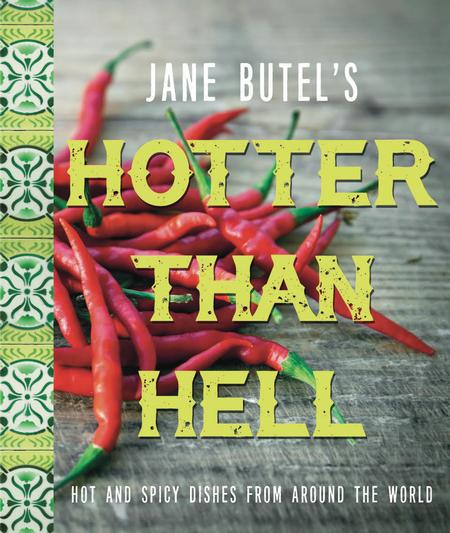
Hotter Than Hell was re-published and completely re-edited and released in March, 2017. If you would like a personally autographed cookbook, order from us NOW!
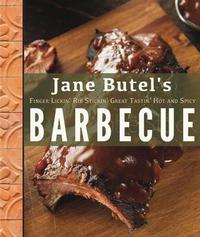
If you would like a personally autographed copy of the newly released and re-edited Barbecue cookbook, order from us NOW!
♦ ♦ ♦ ♦ ♦ ♦ ♦ ♦ ♦ ♦ ♦ ♦ ♦ ♦ ♦ ♦
Blog Updates Blogs released regularly.
Recent video recipe:
POSOLE on You Tube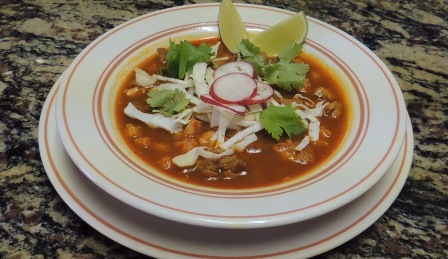
What do you want to see featured on our new blog?
Email us to make suggestions about post features!
Blog link: Southwest Cooking with Jane Butel
ALL NATURAL SOUTHWESTERN AND MEXICAN INGREDIENTS AVAILABLE
Our wonderful pure, fresh chiles, spices, ingredients and kitchen essentials are in bountiful supply. Order, by selecting the Products key at the top of this page, or click here.
♦ ♦ ♦ ♦ ♦ ♦ ♦ ♦ ♦ ♦ ♦ ♦ ♦ ♦ ♦ ♦ ♦
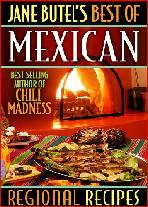
The complete book of all the Mexican regional recipes taught in the award winning Fairmont-Princess Cooking School in Scottsdale. Has such favorites as Rellenos en Nogado, Pollo Cauchate, Mayan Chilaquiles and the luscious Tres Leches. cake. Ebook $2.99.
Softbound Printed Edition
$12.95
NOW ON KINDLE FIRE
for $2.99
Click here to see a preview of the book
© Copyright 2026 All Rights Reserved. TEX MEX Inc. Privacy Policy.
Jane Butel Cooking School • Pecos Valley Spice Co. • Corrales, NM 87048 • Office: 505-243-2622 • info@janebutelcooking.com | Jane Butel Home Page
To ensure delivery of emails from my website please whitelist: info@janebutelcooking.com